PEP VS PREP:
WHAT’S THE DIFFERENCE AND WHY IT MATTERS
Did you know that there are powerful medications that can prevent HIV? In the ongoing fight against HIV, two acronyms frequently come up: PEP and PrEP. While both are vital tools in HIV prevention, they are not the same and are used in very different circumstances. This common confusion can be a barrier to accessing the right care at the right time.
Understanding the difference between PrEP and PEP gives you control. It helps you make informed choices, protect your health, and support the well-being of your partners. With the right knowledge, you can take action with confidence and peace of mind.
Now is the time to empower yourself. Keep reading to learn how PrEP and PEP work, when to use them, and how they can help you take charge of your sexual health.

Understanding the Landscape of HIV Prevention
Before we delve into the specifics of PEP and PrEP, it's important to recognize that they are part of a broader strategy for preventing HIV. This includes consistent and correct condom use and regular STI testing. PEP and PrEP are additional, highly effective options in this prevention toolkit.
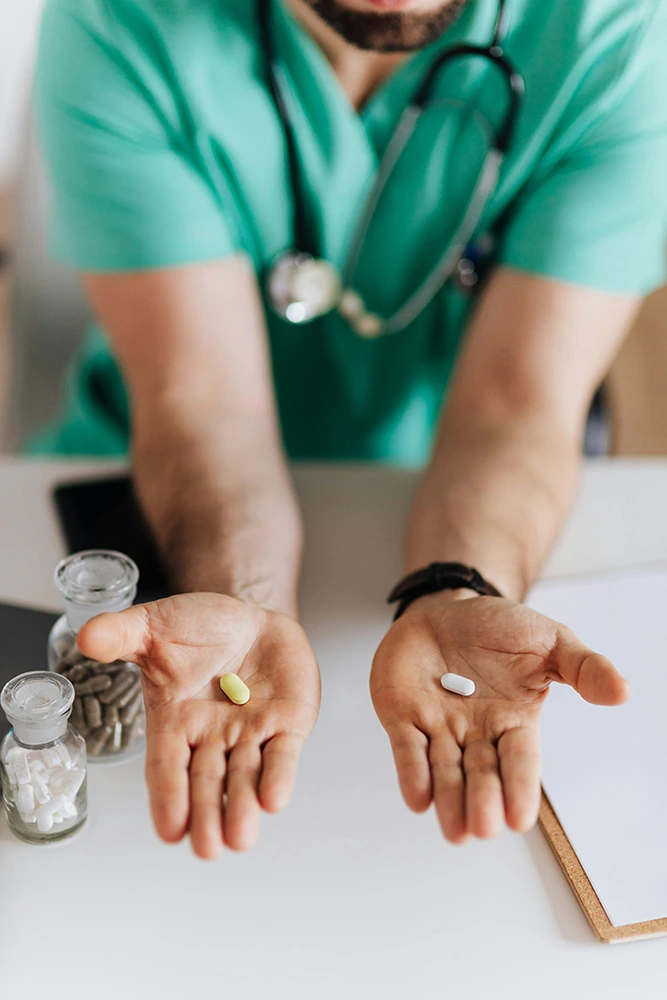
What is PrEP?
Your Proactive Shield Against HIV
PrEP stands for Pre-Exposure Prophylaxis. As the name suggests, it is a medication taken before potential exposure to HIV to prevent infection.
How it Works: PrEP is an antiretroviral medication, usually a single pill taken once a day. When taken consistently, it builds up a protective level of the drug in the body. If you are exposed to HIV, this medication prevents the virus from taking hold and establishing a permanent infection.
Who Should Take It: PrEP is for individuals who are HIV-negative and have healthy kidney function. This can include:
- Individuals in a sexual relationship with a partner who is HIV-positive with a detectable or unknown viral load.
- People who don't consistently use condoms during sexual activity.
- Individuals who have been diagnosed with a sexually transmitted infection (STI) in the last six months.
- People who inject drugs and share needles.
When It's Used: PrEP is an ongoing prevention method. For it to be highly effective, it must be taken consistently as prescribed by a healthcare provider. It is not a "morning-after" pill and requires time to build up protection in the body.
What is PEP?
Your Emergency Response to a Potential Exposure
PEP stands for Post-Exposure Prophylaxis. This is an emergency medication started after a possible exposure to HIV to prevent the virus from establishing itself in your body.
How it Works: PEP is a 28-day course of antiretroviral medications that, when started quickly, can stop HIV from replicating and spreading throughout the body after a potential exposure.
Who Should Take It: PEP is for HIV-negative individuals who think they may have been recently exposed to HIV. This could be due to:
- A condom breaking or not being used during sex with a person of unknown or HIV-positive status.
- Sharing needles.
- Sexual assault.
Timing is Critical: The most crucial factor for PEP's success is starting it as soon as possible after the potential exposure. It must be started within 72 hours (3 days).
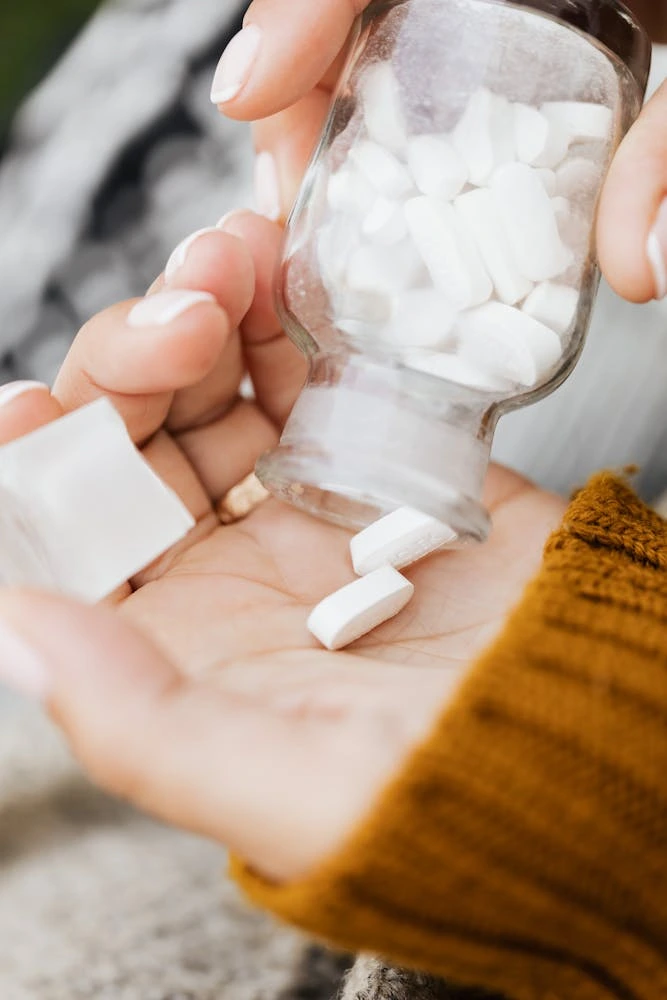
The Key Differences: PrEP vs. PEP at a Glance
| Feature | PrEP (Pre-Exposure Prophylaxis) | PEP (Post-Exposure Prophylaxis) |
|---|---|---|
| When to Take It | Before potential exposure to HIV. | After a potential exposure to HIV. |
| Purpose | Ongoing prevention for those at higher risk. | Emergency prevention after a single event. |
| Dosage | Typically one pill, taken daily. | A course of pills, taken for 28 consecutive days. |
| Window to Start | Taken consistently to maintain protection. | Must be started within 72 hours of exposure. |
Common Misconceptions and Questions
Find clear and trusted answers to the most common questions about PrEP at Nassau Clinic. This information is designed to support you with accurate details, confidentiality, and flexible care options.
(01) 524 2848
Click Here
Talk to a healthcare provider and take charge of your sexual health.
Navigating the world of HIV prevention can feel overwhelming, but you don't have to do it alone. The most important step you can take is to have an open and honest conversation with a healthcare provider. They can provide personalised advice, answer your specific questions, and help you decide on the best prevention strategy for your life and circumstances.
If you live in Dublin and find it difficult to access care during traditional hours, some clinics now offer extended and weekend availability. Nassau Clinic, for instance, is open late on Thursdays and also operates on Saturdays and Sundays. This makes it easier to access sexual health services, including PrEP, at a time that works for you. In fact, it's one of the few clinics in Dublin offering weekend PrEP services, helping you take control of your health without delay.
Taking charge of your sexual health is an act of self-care and respect for yourself and your partners. Whether it's starting PrEP for ongoing protection or knowing where to go for PEP in an emergency, knowledge is your most powerful tool.